
In today’s rapidly evolving construction landscape, the industry grapples with significant challenges including supply chain disruptions, unpredictable inflation, and a persistent labor shortage, especially when it comes to skilled labor. These risks can lead to longer project schedules, ballooning budgets, compromised quality, and increased safety incidents.
The construction industry has been severely impacted by labor shortages. According to Associated Builder and Contractors (ABC), the construction workforce shortage topped half a million in 20241. A retiring workforce, increased labor demand, megaprojects, and a lack of skilled workers are difficult issues to tackle and amplify the ongoing shortage.
A recent AGC workforce survey found that 88% of firms with open positions are having a hard time filling some or all of those roles. Nearly 7 in 10 of those firms say the primary reason they cannot fill positions is due to a lack of skills and qualifications to work in the industry. This industry-wide labor shortage is further exacerbated by the growing complexity of projects, the need for specialized knowledge, and the tendency for these projects to be in remote or rural locations.
Inflation further complicates the situation by contributing to rising wages and increases in material costs. Supply chain disruptions have also heightened these issues, leading to unpredictable delays and increased project risks. To untangle these interconnected crises, finding innovative solutions is essential. Strategic implementation of prefabrication can mitigate these risks by streamlining processes and providing certainty in project outcomes.
PREFABRICATION
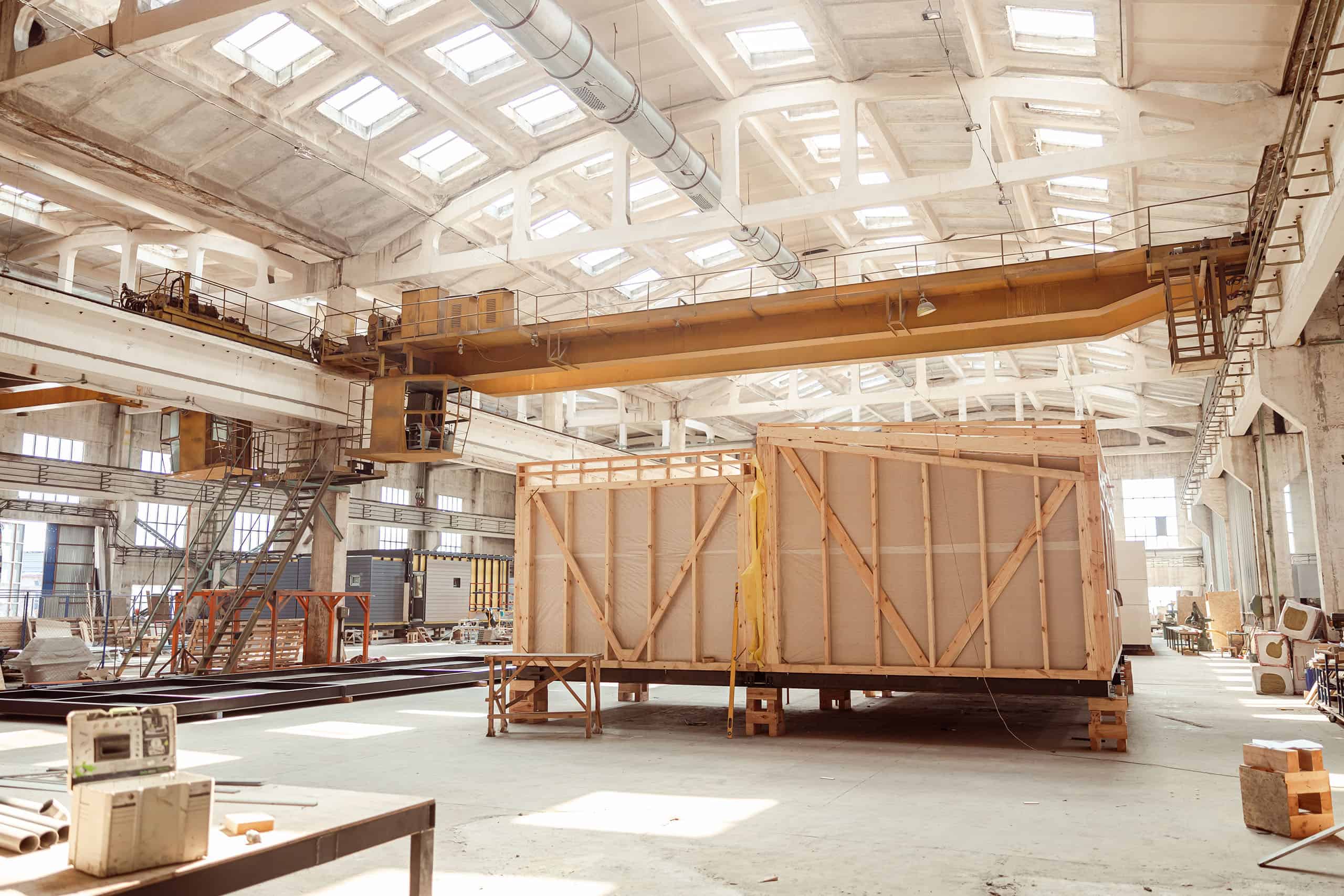
To help address labor shortages in a demanding construction economy and bring efficiency to project teams, prefabrication and manufacturing practices are being used across multiple building sectors. Prefabrication is an umbrella term for any building components that are assembled or fabricated in a controlled environment, typically off-site and then shipped and installed on-site to create a finished product. This approach offers various advantages, including reduced labor requirements, minimized waste, enhanced safety, improved quality, and increased certainty of outcomes. As a proactive approach to risk management, prefabrication enhances project predictability and quality, allowing teams to navigate the complexities of construction with greater confidence.
Levels of Prefabrication
Prefabricated components can vary in complexity, ranging from simple sub-assemblies to complete building modules:
Level 1: Sub-assemblies
Standard components and kitting
Level 2: Non-volumetric
Assemblies that may involve single- or multi-trade systems applications
Level 3: Volumetric
Complete units like racks, modules, and non-structural pods
Level 4: Modular
Entire building sections
These varying levels of prefabrication allow for flexibility and customization according to project needs.
THE 5 BENEFITS OF PREFABRICATION
1. Addressing Labor Shortages
Prefabrication reduces the number of personnel needed on-site, alleviating the pressures of labor shortages. With fewer trades required and a streamlined installation process, the headaches associated with coordinating multiple timelines are minimized. As a result, construction teams can focus on enhancing overall efficiency while ensuring high-quality outcomes.
2. Mitigating Supply Chain Challenges
Prefabrication allows for earlier material acquisition and logistics planning. By securing materials ahead of time and assembling them in a controlled environment, projects can avoid common procurement delays and fluctuating prices. Bulk purchasing can mitigate cost escalation and long lead impacts to project schedules when planning for multiple facilities. By allowing for precise material utilization, prefabrication reduces waste and human error, while early purchasing decisions provide cost certainty and enable teams to lock in prices for materials and labor, leading to clearer budgeting.
3. Ensuring Safety and Quality
The prefabrication process takes place in a controlled environment, which not only enhances safety by minimizing job site hazards but also allows for rigorous quality control measures. Research published in the Journal of Construction Engineering and
Management shows a correlation between prefabrication and a reduction in workplace accidents3. Prefabrication is effective in reducing total recordable incident rates (TRIR), a measure of safety goals, and translates to fewer labor hours on site, lowering the levels of risk.
Moreover, the cleaner and more organized off-site assembly process helps ensure that components meet exact specifications, leading to more precise manufacturing tolerances and improved overall project quality.
4. Improving Speed to Market
One of the most significant benefits of prefabrication is its ability to enhance schedule predictability. By shifting critical work off-site and allowing for parallel construction activities, projects can often be completed faster than traditional methods. This efficiency not only accelerates project timelines but also reduces the associated costs of prolonged construction phases.
5. Standardization and Design Optimization
Standardization of prefabricated components leads to enhanced design optimization. By designing for prefabrication, project teams can articulate the scope of work more clearly in contract documents, ensuring smoother installation and coordination of various components. Standardization is specifically helpful for large projects with high potential for repeatability and/or capital programs that repeatedly build multiple facilities that share similar designs. This upfront clarity helps prevent costly delays and miscommunications down the line.
PREFABRICATION AT FORM OFF-SITE SOLUTIONS
Form Off-Site Solutions by JE Dunn utilizes prefabrication on multiple projects across the country. Early involvement is key and sets a solid foundation for a successful project. During preconstruction and project planning, our teams identify and evaluate the many available prefabrication opportunities, labor productivity and transportation requirements, material handling, and other logistical considerations. We then compare these considerations to on-site productivity factors to determine which fabrication method is most beneficial.
Each project has its own custom prefabrication plan. We collaborate with JE Dunn Construction through a proprietary product dashboard to compile and build these plans and to identify opportunities to maximize schedules, purchase in bulk, and reduce waste.
The most commonly used products on JE Dunn projects are exterior skin, head walls/interior walls, bathroom walls, and multi-trade tracks. In addition to tracking products, our team also monitors how many hours are moved off-site, prefabrication status, and how long it takes to install those items, allowing us to quantify the benefits of prefabrication for our clients.
The enhanced collaboration and planning associated with prefabrication help mitigate project risks, address a range of potential pain points throughout design and construction, and maximize the value of clients and design partners’ efforts and investments.
The Future of Prefabrication
Looking ahead, the role of prefabrication in construction is expanding. As the industry continues to seek sustainable practices, prefabrication offers opportunities for reduced waste and improved resource management. Additionally, managing supply chains more effectively through prefabricated components can help mitigate future disruptions. Prefabrication facilities’ controlled environments provide skilled labor places to safely train and deliver work, and also serve as research and development platforms for the industry. Capital investments in the construction industry have been relatively limited due to the unique nature of deploying equipment, automation, and robotics into ever-changing and remote site environments. Instead, prefabrication is leading the way in enhancing workforce development initiatives with the next generation of capabilities and capacity to meet industry demands.
With the increasing demand for complexity and higher capacity in construction, project risks multiply in the face of ongoing industry challenges. Prefabrication stands out as a strategic solution to mitigate these risks while addressing labor shortages, supply issues, and inflation. As one industry expert aptly stated, “Prefab solutions can go a long way to help the industry achieve the certainty it so definitively needs.” Embracing this innovative approach not only mitigates risks and ensures better project outcomes but also paves the way for a more resilient and efficient construction industry.
SOURCES
- News Releases | ABC: 2024 Construction Workforce Shortage Tops Ha
- New Survey Shows Significant Flaws In Nation’s Approach To Preparing Workers For Construction Careers And How That Hurts The Economy | Associated General Contractors of America (agc.org)
- Prefabricated Construction Process Optimization Based on Rework Risk | Journal of Construction Engineering and Management | Vol 148, No 6 (ascelibrary.org)