
The term “standard” gets used a lot, but most of the time it still comes down to how the last job was run or who is on the team.
That works until it doesn’t.
In a traditional workflow, each job finds its own path. Teams rely on experience to fill informational gaps, while critical details often arrive late or incomplete. Rework becomes part of the plan, whether anyone acknowledges it or not. The result is variability, and that is where time, cost, and quality start to slip.
A manufacturing engineering standard takes a different approach. It treats custom fabrication less like a series of one-off efforts and more like a production system.
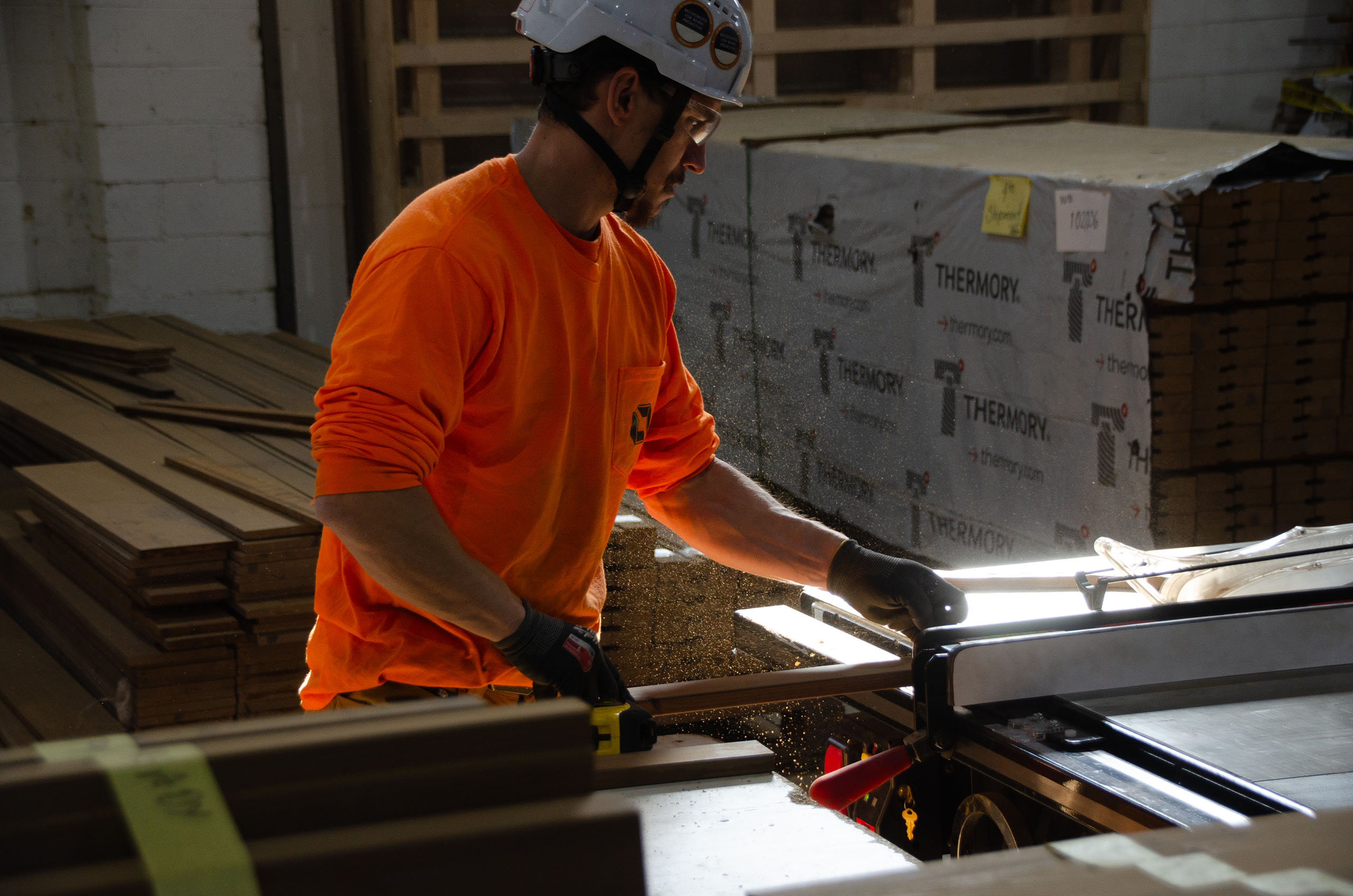
At Form Off-Site Solutions, that shift has been intentional. First, we focus on clearly defining how work moves through the system from intake to fabrication. Then, we make that flow visible and standardized so every team is aligned on how work should move. From there, we establish baseline metrics to understand performance as it actually happens, which allows us to continuously refine and improve the system over time.
It is a long game. Not a quick fix.
Day to day, this shows up in simple ways: Clear inputs, seamless handoffs, and work hitting the floor ready to build without translation. When something breaks, we trace it back to the process and fix it at the source.
That is Lean in practice. Reduce rework and limit handling. Build quality into the process, not at the end.
The goal is not to eliminate variation completely. It is to control it.
When you get that right, throughput improves, quality becomes consistent, and teams spend less time reacting and more time executing.
That is the difference between taking on work and running a system.